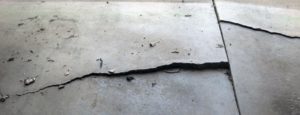
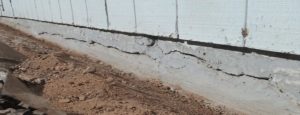
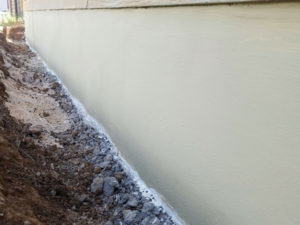
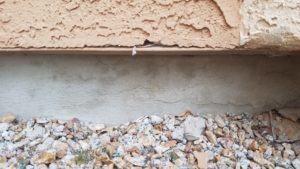
If you see a crack in the foundation of your home, it might be time to call a contractor. Fortunately, there are several ways to deal with foundation cracks yourself. Mark the end of the crack, and check to see if it has expanded. If it has, this means the crack is getting larger. If it’s getting worse, it’s time to contact a contractor. You can even perform some of the repairs yourself, if you’re confident in your ability to complete them.
Anchor Bolt Repair
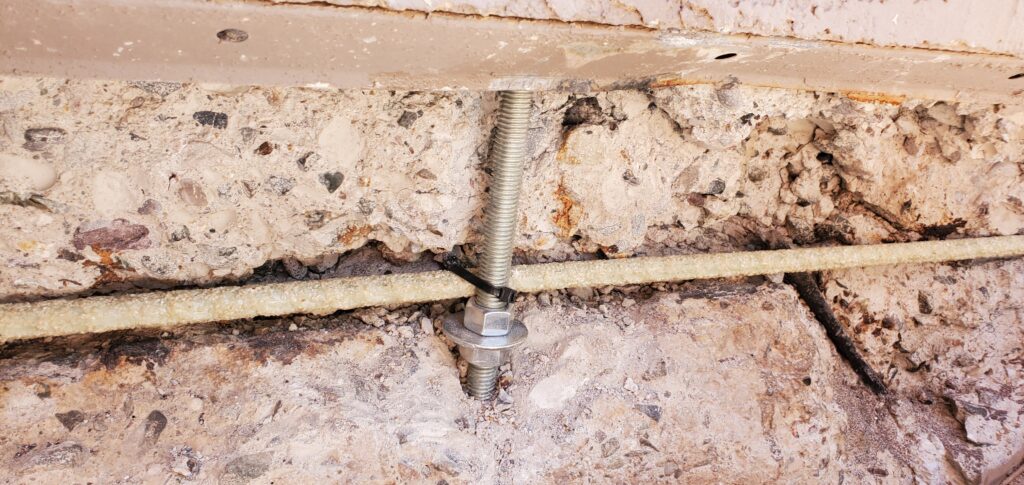
Before you consider Anchor Bolt Repair for fixing foundation crack, you should know a few things. For starters, anchor bolts should be long enough to tighten. Short anchor bolts can cause a horizontal crack. Therefore, you should make your anchor bolts as long as possible and terminate them in a concrete mat underneath the concrete foundation. This will prevent horizontal cracks and add a post-tensioning effect.
To use Anchor Bolt Repair for fixing foundation crack, the first step is to dig a shallow trench around the crack in the foundation wall. Afterwards, you can push it back into place. For an even more permanent solution, you can get a carbon fiber reinforcement. For example, Nationwide Reinforcing has Reinforcer Shield carbon fiber sheet and Force carbon fiber straps. These are specially made for irregular shapes. Another popular option is the low-pressure crack injection system. This technique can be done with simple hand tools and requires no professional skills.
Wall anchors are another method for fixing foundation crack. These devices are similar to large bolts and consist of metal plates buried in the yard and inside the foundation walls. The steel rods connect the plates and are tightened in time. They cost between $400 and 600 per unit. If the wall is severely bowing, however, you may need to dig up the entire foundation and rebuild it. This will cost you anywhere from $30 to $40,000.
New Anchor Bolt Replaces Rusted J-Bolts in Foundation, and stem wall foundation types.
J-Bolt Replacement
If you notice a foundation crack in your home, you may need to replace a J-Bolt. The repair may be easy to do if you know the proper steps. You will need to know where the foundation anchor bolts are located and how to find them on blueprints. You should also have a small scratch made on the concrete where the anchor bolts are. It is best to use a J-bolt at least two inches from the edge of the slab. You can also place the bolts anywhere on the footing of your deck.
J-Bolts are half-inch-thick bolts that come in different diameters. You can choose to use either regular steel or galvanized or stainless steel. You may also want to use a template to make sure that the bolts are positioned straight and plumb. Using a template will help you to avoid making mistakes in determining the location of the anchor bolts and provide a square foundation for a strong home.
A prior art solution to foundation cracks involved chipping out the foundation around the fractured bolt. Then, the threads of the bolt were cut using a special die. Next, the new anchor member was extended above the base of the foundation. Finally, the hole was filled with epoxy or suitable grout to hold the new anchor member in place. Compared to the prior practice, the new method is more effective.
There are a variety of options for fixing a foundation crack, including underpinning, hydraulic cement, and repair with carbon fiber. Horizontal cracks are often the smallest and most affordable, and carbon fiber is a durable, low-cost solution for repairing foundation cracks. Depending on the severity of the crack, carbon fiber repairs can prevent the foundation from sagging inward, and can be a more costly option.
Hairline cracks in the concrete are the result of seasonal temperature changes. They are about the width of a single hair and can allow water to enter the basement or crawl space. During an in-home assessment, an Acculevel project advisor took a photograph of the crack, which indicates that it is a hairline crack. When left untreated, hairline cracks can become much larger and cause water intrusion.
The most common type of horizontal foundation cracks is caused by hydrostatic pressure from outside. This pressure is often so great that the foundation itself collapses. Regardless of the cause, you should contact a foundation repair company as soon as possible. The sooner you address a foundation crack, the better your home’s chances of being repaired. When you do find one, you’ll know that you’re dealing with a serious problem.
Install New Carbon Fiber GFRP Rebar
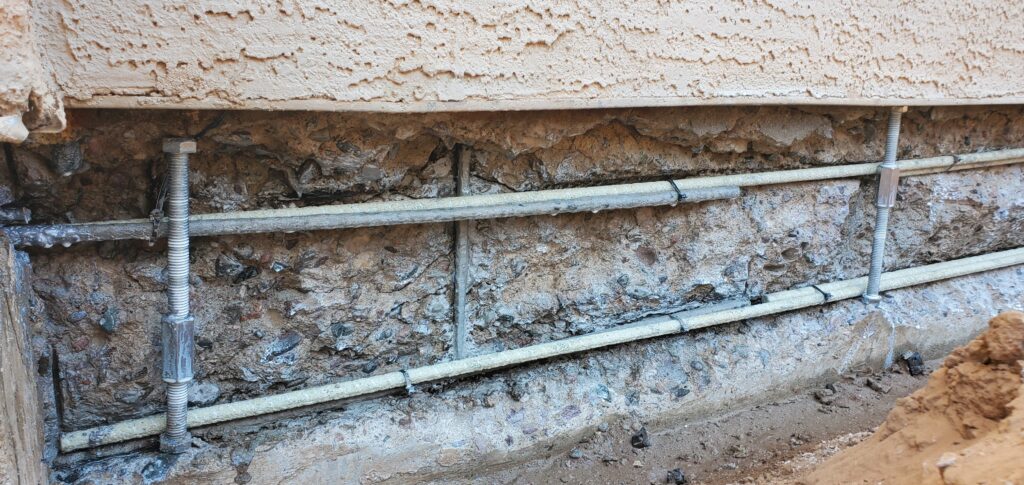
If your home has a crack in the foundation, you might need to install New Carbon Fiber GFRP Rebar. It’s a relatively easy process that will take one day to complete. Before you install the rebar, you will need to prep the footing by cleaning and scrubbing the crack. Once the footing is cleaned, high-strength grout is applied to the rebar. It’s important to use high-quality grout, because the two are chemically opposed. Installing New Carbon Fiber GFRP rebar is a much faster method, and you can do it yourself if you know how.
When you install New Carbon Fiber GFRP rebar, you are using corrosion-resistant vinyl ester resin and carbon fiberglass materials. These materials have superior strength and durability, and are resistant to chloride, salt, and other chemicals. GFRP rebar is also about 50% lighter than steel and twice as strong in tension than steel. The material’s gritty exterior also makes it easier for you to see the crack.
New Carbon Fiber GFRP rebar is the most affordable way to repair a bowing foundation wall. This method is ideal for foundations made of poured concrete or brick. Afterward, it’s easy to paint over the carbon fiber straps and tiebacks. Once dry, the straps are painted and applied to the foundation wall. They’re also a durable option for foundation repairs.
Fix Rusting Steel Rebar
Certified Foundation Repair Tempe Arizona.
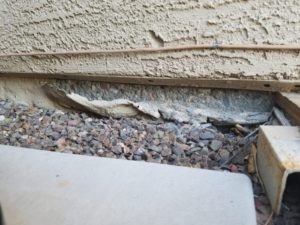
If you have noticed a crack in your foundation, you might have the same issue. You’ve probably heard of rusting steel rebar, but you haven’t heard about the different ways to fix this issue. Rusting steel rebar can become exposed to the elements, which can cause the stem walls to crack and crumble. You can fix this problem by chipping away the rust, but you’ll have to be very careful with the procedure.
Typically, the rusting rebar is hidden behind the concrete. However, sometimes it may be visible. This is usually caused by inadequate concrete cover, or the rebar is located too close to the edge of the concrete. To fix the problem, you can use a product called Avalon, which removes the rusted steel rebar by chipping away the concrete. Once you’ve removed the concrete, you can replace the rusted rebar and the entire foundation.
Alternatively, you can use glass fibers to reinforce the stem wall. Although they don’t provide much overall strength, these fibers can be used to prevent corrosion of steel rebar. If you have rusty rebar, it’s important to repair it as soon as possible. Once it’s repaired, you can apply epoxy or sealer. Make sure you follow the manufacturer’s instructions.
Patching Concrete
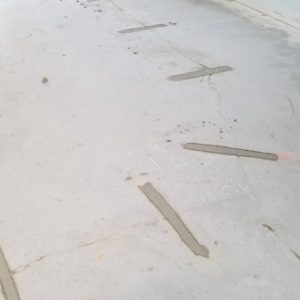
If the gap in your concrete foundation is large, you can patch it yourself without the help of a professional engineer. In such cases, you can use a latex or polyurethane caulk, which you can apply with a caulking gun. The caulk allows for ongoing expansion and contraction and is self-leveling. A water-spraying masonry sealant is a good option as it prevents cracking.
Before applying any cement, a technician will need to determine what type of concrete is present. A crack caused by concrete expansion or settling is hairline-thin. Although it may be unsightly, it is not the most important structural problem. While cracks resulting from settling or moisture infiltration are not as dangerous, you should still consider their repair if they continue to grow and become wider. If you notice that the crack has grown to a greater size, consult a professional to avoid further damage to your foundation.
Wet soil can also lead to foundation cracks. The soil is saturated and settles due to the water source underground. The solution for a concrete foundation crack resulting from wet soil is to take advantage of a drainage system or surface water diverters to direct the excess water away from the foundation. You should also include a plan for the removal of the water. Using a drain will divert water away and prevent the crack from growing any wider.
Waterproofing Foundation Walls
Waterproofing foundation walls is an important process for preserving the integrity of your home. If the crack is not properly sealed, it will erode over time and may reopen. When water is not allowed to move freely through a wall, it will act as a dam, weakening it. Here are some tips on waterproofing foundation walls. Here are two different types of crack repairs:
CRACK sealant is applied using a 1-1/2 inch plastic putty knife to make a thick bead. Once it has dried, the product will absorb into the porous cement, creating a tough 1/8-inch ribbon. This solution will keep water out for up to two years and will protect your home from further damage. If your house is experiencing water damage, call a professional to waterproof your foundation walls.
Typically, cracks less than one-eighth of an inch will be fixed by injection of epoxy. Epoxy is a non-expanding resin that bonds with the concrete and forms a seal against water penetration. The price of the repair will be slightly higher if you want it to be “patched.” If your crack is more than one-eighth inch, however, you will have to pay more than $1,500.
Key Takeaways: Most foundation repairs in the Phoenix area, including crack stitching, stem wall repair, and slab leveling, can be done while…Read More…
Most foundation cracks in residential homes are cosmetic and harmless, but you should worry when cracks are wider than one-quarter inch, growing over time, acco…Read More…
Stem wall damage typically shows up as horizontal or stair-step cracks, spalling, and visible deterioration near the base of your foundation walls, while slab s…Read More…
A foundation inspection Arizona homeowners can rely on is a straightforward, on-site evaluation of visible cracks, slab movement, and stem wall condition that t…Read More…
Key Takeaways: Horizontal foundation cracks are the most serious type of wall crack a homeowner can face, often signaling active lateral soil…Read More…
Key Takeaways: Hiring the right foundation repair contractor in Phoenix requires evaluating hands-on mastery, teaching credentials, and ROC licensing – not just…Read More…
Key Takeaways: Arizona ROC licensing is the legal baseline for foundation repair contractors, but third-generation mastery, teaching credentials, and media recognition signal…Read More…
A good foundation repair contractor can make a world of difference when it comes to protecting your home and ensuring that it will stand the test of time. If you are looking for a good foundation repair company in Tempe, AZ, you should look for one that is locally owned and backed by a reputable name. You should also consider getting a free inspection and estimate. More about Tempe Foundation Repair.
Foundation repair contractors Albuquerque New Mexico install the NEW! J-Bolt replacement anchors in all wood structures in NM. Also replaces Simpson Strong Tie Straps in stem wall foundation in New Mexico. If you're a home owner in Albuquerque, New Mexico, you may be searching for foundation repair anchors. If you have any questions about anchor bolts, or if you're ready to get started with your anchoring project, go to AZ Anchor Bolts LLC.
foundation crack repair company can provide a fast and effective solution to your damaged foundation. Cracks in the concrete can develop due to water collecting near the foundation walls or improper installation of the foundation wall. Depending on the size and severity of the damage, some of these cracks may require interior and exterior repairs If your home has been damaged, the best way to fix the problem is to hire a professional Phoenix foundation repair company. The experts will inspect the damage, provide the necessary tools and provide a quick solution to your foundation problems. Most foundation cracks are […]
If you are looking for Foundation Repair Contractors in Phoenix, then you've come to the right place! Our team of experts will provide you with all the information you need to make a wise decision on your next repair project. If you've noticed a crack in your home, it's a sign of foundation damage. It can lead to a whole host of problems, including pest infestations, water leaks, and structural damage. The best way to prevent foundation issues is by hiring a professional. A company like Concrete Repairman (r) can inspect your home's foundation and provide the information you need […]
Phoenix foundation cracrepair fix cracks, can also install wall anchors, which can provide a permanent solution to a foundation problem. These anchors extend out from the foundation and can be tightened to restore the stability of a foundation wall. While this is not a very exciting or complicated process, it is an important part of any foundation repair project.
Phoenix foundation repair service come out to your home can make you feel safer and give you peace of mind. They can tell you if the damage you have is minor or if you are dealing with a serious problem. They can also provide you with a free estimate for your home's foundation repair needs. Phoenix Foundation Repair service will be able to tell you whether you are dealing with a serious problem or just a crack or a sagging sill plate. They can also tell you the best solution for your situation. For example, they can install wall anchors […]
Stem wall repair Phoenix Arizona concrete contractors fix stem wall cracks, horizontal cracking, spalling, hurricane straps, j-bolt replacement anchors AZ. Stem Wall Repair Contractors Phoenix Arizona Whether you’ve recently moved into an Arizona home or you just notice some horizontal cracks in the foundation, you may be requiring stem wall repair. A stem wall is […]
Home » Our Blog » Foundation Repair Phoenix Arizona « Phoenix Foundation Repair Foundation Repair Phoenix Arizona Published December 4, 2022 | By Foundation Repair Expert Arizona – James Belville | Edit Foundation Repair Experts in Phoenix AZ Foundation repair Phoenix AZ by Concrete Repairman LLC is a great way to preserve the longevity of your home’s foundation. A professionally inspected home can help you identify the problem before a more expensive repair is needed. A professional can also give you peace of mind knowing that your home is structurally sound. There are a few companies in Phoenix that can […]
Foundation Crack Repair Contractors Phoenix AZ foundation repair contractor look for credentials and years of experience. You can also find out if they've won any awards. Then, look into how they handle quality control and testing. A quality company should have a good reputation and offer customer service. A company that's not willing to stand behind their work is not worth your time. Concrete Repairman is an example of an experienced foundation repair company in the Phoenix area. This family owned company was founded over 20 years ago and has a staff of more than 50 people. The company has […]
Different Types of Repairs for Foundations If your home’s foundation is showing signs of cracking, you may want to hire a foundation repair Phoenix Arizona. These companies are experienced in fixing cracks in your home’s rebar, floors, and post tension walls. Here’s some information about the different types of repairs for foundations: Stem Wall Crack […]
RSS Error: WP HTTP Error: A valid URL was not provided.
We are very pleased with James and his guys. We had three companies come out to look at our foundation problem. James explained exactly what was happening and how to fix it. He was the only person who wanted to actually stop the problem from getting worse and fix it properly. The others companies wanted to do a band aid. This was a case of, you get what you pay for. We wanted it done right and not have to revisit the problem in a couple years and waste money. The guys who did the job were awesome. Hard working and we’re done a day early. Polite and informative. Thanks for giving us confidence.
James saved me close to $8k, identified the root cause of the problem, and we were able to save a large tree.
One of my rental units had buckling of tiles. For the past few months, we’ve had professionals come out and even an insurance agent. Each foundation expert gave us a different advice and we were left confused. From injecting polyurethane around the house to injection slurry at the affected site. Each recommendation costed between $4-$8k. I met with James, very professional. He took a look at the property and within 5 minutes diagnosed the problem and it wasn’t even foundation related! When he told me if was humidity and vapors causing the buckling of the tiles, I kinda thought…this guy believes in voodoo magic. Well, we broke out one the tiles to look underneath and low and behold, the foundation was flat underneath and that the tiles really did pull up. So the fix? Pull out the tiles, re-grout, and set them back in place with grout that allows for expansion such as siliconized grout. Isn’t that crazy?? I also speculated that a large exterior tree may have been the culprit of the ground moving. We went outside looked around and he basically said the tree is fine and does not need to be removed. I gave James a great big hug for really helping us with this situation.
Thank you, thank you, thank you!
Lesson learned: For something as big as a foundation issue, make sure to get several opinions.
James was outstanding! He spent time educating me on the needed repairs and going over what it was going to take to fix my foundation problem. He is very professional and interested in actually helping his clients. He has videos to support his over 30 years of experience and knows how to do the job right. Thanks for your services!!
I highly recommend James and his crew for any concrete job!!! He and his workers are highly skilled, extremely thorough, knowledgeable and polite. I had a stem wall repair job that I’d been putting off for far too long. I sought other bids but James’ was more detailed (by far), priced competitively and provided by James himself—He gave me a complete rundown of the process and the products he would use as well as the time frame and the warranty he would provide. I accepted his bid on the spot and scheduled the work for the following week. The job was completed in the time frame discussed and the results were far beyond my expectations. The house, courtyard, landscaping, sidewalk, yard and street were left cleaner than they found it. They even polished my stained concrete courtyard which was in no way a part of the job!!!! They went above and beyond and I am so grateful for that. Call James if you want the best team for your job!!!
Mick
James came out to my home and was able to pretty quickly identify my problem. He did a full foundation inspection, inside and outside. He was able to identify and show me where these area are and explain each of them, why they matter and what else could stem from them. He was able to provide me with a step by step plan of what I need to do as well as giving me a referral. His solution was not to fix what was cosmetically wrong but rather identify the problem and fix the problem. Once that has been completed we can move forward with a much lower cost option (not using piers or pillars) that is just as effective. I feel empowered and very knowledgeable about our foundation problems. He didn’t try to sell me anything or offer me a buy now gimmick for a discount (As one well known company in the valley does. You feel so pressured to make a very big decision when this happens) . He let me know at the very end how his services could help and when the time to help would be (after we have identified the problem and fixed it). He was very friendly. Family own and ran company. He’s third generation and 35+ years. He not only has expertise in AZ foundation issues but is from Nebraska and has a very well rounded knowledge of Soil and foundation problems. Thank you so much James for getting us started and saving us a ridiculous amount of money!
Libby
Although I cannot speak to the company Concrete Repairman’s actual work, we found James a walking encyclopedia of information concerning many home issues. Our experience was pleasant and professional.
Sylvia
Great company! We were worried we had a foundation problem so we called for an evaluation. They couldn’t find anything wrong but taught us a ton about signs to watch for and didn’t charge us a dime. If I ever DO have a foundation problem I know exactly who to call. Awesome!
Thia
Had the foundation repair completed in March. Later, I noticed a small low line (depression) close to the foundation. Once I notified the company of this, they quickly responded, not only fixing the problem to perfection, but also did a little grading repair to an area that was outside their responsibility. Later it was brought to my attention that the grading problem may have existed before the foundation work was done. Their workmanship is far beyond expectation. I appreciate their quick response and willingness to do more than was asked.
Tomlin
James, Concrete Repairman LLC surely saved the day for us and our home. It became aware that a large crack had formed due to gutter rain being misdirected toward the home. James was amazing in his precise knowledge of how to fix the floor that had heaved several inches across the living room. It was a massive undertaking to us and James was very reassuring that with his leveling and stitching the floor would be better than new. Well, he is amazing. We were so impressed. The crew worked hard and diligently, there were No schedule changes, every day they were on time, the job was done with the utmost professionalism. Communication before and during project was beyond our expectations. I’ve read other reviews and they are so wrong. This is an amazing company with skilled workers who care about the customer.