How Much Does Foundation Repair Typically Cost?
How much does Foundation repair typically cost for residential home foundations? Depending on its size and shape, foundation repair can cost between $1500 and $30,000- depending on the type of damage and severity. Average cost of $3,700 is the lower mid range cost. Most simple home foundation repairs are done easily and are not structural repairs. More about foundation repair.
Spalling Repair Cost
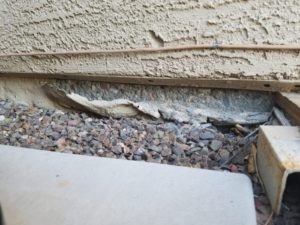
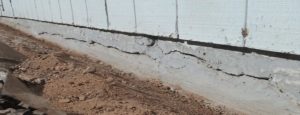
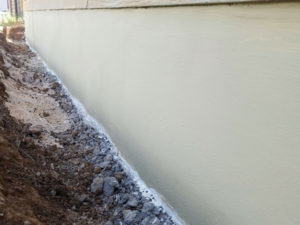
Most of the time the paint is peeling off causing spalling of the exterior vertical wall. This type of damage is a very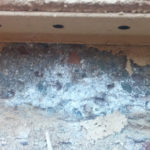 prevalent in the cities around Arizona in the desert region Phoenix Arizona. Typically the damage starts at the beginning. The home is built and lastly the home is painted. The paint is painted down to the top of the dirt grade. Because of the fact that homes in this region are never waterproof. This fact is the reason why these foundation types such as, monolithic foundations, stem wall foundation, and post tension slab on grade foundations in this region are damaged. Overtime repair companies have been fixing, repairing, and even replacing foundations from this type of spalling damage. Spalling damage can easily be repaired and one of the least costly foundation repair methods. This type of repair generally cost from $28 to $48 a running linear foot, depending on waterproofing correctly and painting the exterior walls. More about stem wall repair.
Stem Wall Repair Cost of Oxidized Steel Rebar Repair
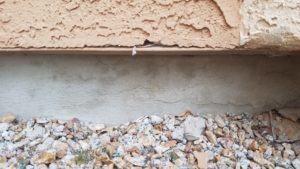
Oxidized rebar expansion. This type of horizontal expansion of the reinforcement steel breaks out the side of the stem wall and post tension foundation types also. The main difference between the two is, stem wall Foundation types go deeper into the ground. Post tension foundation types are usually only 12in to 14in tall and allow moisture to go in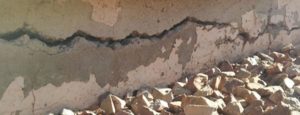 underneath the slab oxidizing the reinforcement steel. This oxidation of the reinforcement steel is breaking out the sides of load-bearing walls around the perimeter of these homes. Stem wall Foundation types because they are deeper, do not allow moisture to go underneath them and is unlikely to occur. However, because the paint is only painted down to the top of the dirt grade. The moisture goes directly into the vertical wall, oxidizing the reinforcement steel. There is no protection from this moisture and oxygen getting to the reinforcement steel causing oxidation process. This oxidation process causes a low voltage electrical current to charge the interior reinforcement steel. Thus causing the expansion in horizontal crack that is very typical in prominent arid climates of Arizona. This type of foundation repair, done correctly, remove the affected cancerous rebar that exists, and replace with same diameter reinforcement bar coated with rust inhibitor epoxy. Most professionals will agree, to sandblast steel clean. The problem with this repair method is, you cannot remove the rust on the far side of the steel without removing it. If not removed this cancer is expansion oxidation of the reinforcement steel will continue and come back later in time. Oxidized rebar crack repair, waterproofed, and painted cost run from $48 to $100 a running linear foot.
Post Tension Foundation Repair Cost
Post tension foundation repair cost can be from $500 to $40,000+ depending on the type of damage. Most of which we see here in the desert climate of Arizona region, is oxidation of the reinforcement steel. Because of the fact that these foundation slabs are considered floating slabs, meaning they float on top of the ground because of the expansive soil problems that were discovered. This type of post tension foundation is very susceptible to oxidation of the re-enforcement hairpins on the interior walls around the perimeter footing. This perimeter footing wall is not only shallow but allows moisture to readily infiltrate underneath to the steel. Water vapor transmission then wants to reach equilibrium evaporating upwards with the oxygen. This process starts the oxidation process. The half moon wedges, that hold the cable tension to 27000 to 30,000 psi. these wedges are also made of steel and corrode, releasing the tension on the cable or cables. This causes subsidence, or sudden settlement, and other detrimental damage, including structural problems. I don’t agree with post-tension slab construction, because of the effect that it allows moisture directly underneath, causing these types of damage to happen. To correctly repair this type of damage, once the cables have been released. the cable is then removed pushed through buy the new cable. The new cable is then tightened after the interior reinforcement hairpin has been removed and replaced. The structural patch secures the bracket and hairpin . After proper curing of this patch material, tension can be reapplied to the cables. This type of damage, meaning the release of the cables, is sudden, and may be covered underneath homeowners insurance coverage and policies. Please refer to your home insurance policy.
Monolithic Foundation Repair Cost
Monolithic foundations are usually older homes in older neighborhoods. The homes foundations are constructed monolithically because they are much stronger and hold up to the elements better than any other type of foundation structures. The footprint signature of the bottom of these foundations are usually 16 in width and 16 in wide by 24 in tall. Sustainability of these types of foundations monolithic, Is also reinforced with steel throughout. not only in the perimeter footing running continuously, but also have returned bars into the interior floor slab approximately 4 foot spacing. Because of the footprint is so wide settlement of these homes becomes less likely over the years. because of the homes age, the roads are built up around them over the years, the grass gets mowed and cut, the wind blows more dirt, and over time the elevation around these homes become negative. Now the holding of the moisture from the rain water coming off of the roof and landscaping hold near these homes in this type of situation. Burms have been used to remediate this moisture from affecting the foundation stability from subsidence, and settlement issues. Subsidence issues will cause interior floor crack heave foundation heave, doors not to close correctly, cracks in the ceiling, drywall, and window cracking. interior floors and structural damage. This type of floor heaving can be ground down and structurally crack stitched and a floor leveling underlayment can be installed to level uneven floors. The other repair method, is push piers, helical piering, and polyurethane slab jacking. Push piers can be very expensive and drive up the foundation repair cost dramatically. This type of foundation repair cost can cost you out of pocket from 2000 to $2,500 per pier. Depending on the number of peers that is needed you can easily see how the foundation repair cost increase. More information about foundation heave.
Foundation Repair Video Channel | Concrete Repair Videos | Foundation Repair Videos | Foundation Inspection Videos | Post Tension Videos | Moisture Remediation Videos | Foundation Settlement Videos | Expansive Soil Videos | Crack Stitching Videos | Concrete Grinding Videos | Stem Wall Repair Videos | Floor Grinding & Leveling Videos | Oxidized Rebar Stem Wall Videos | Monolithic Foundations Videos | Floor Heave Videos | Warehouse Floor Repair Videos | Concrete Repairman Video Reviews